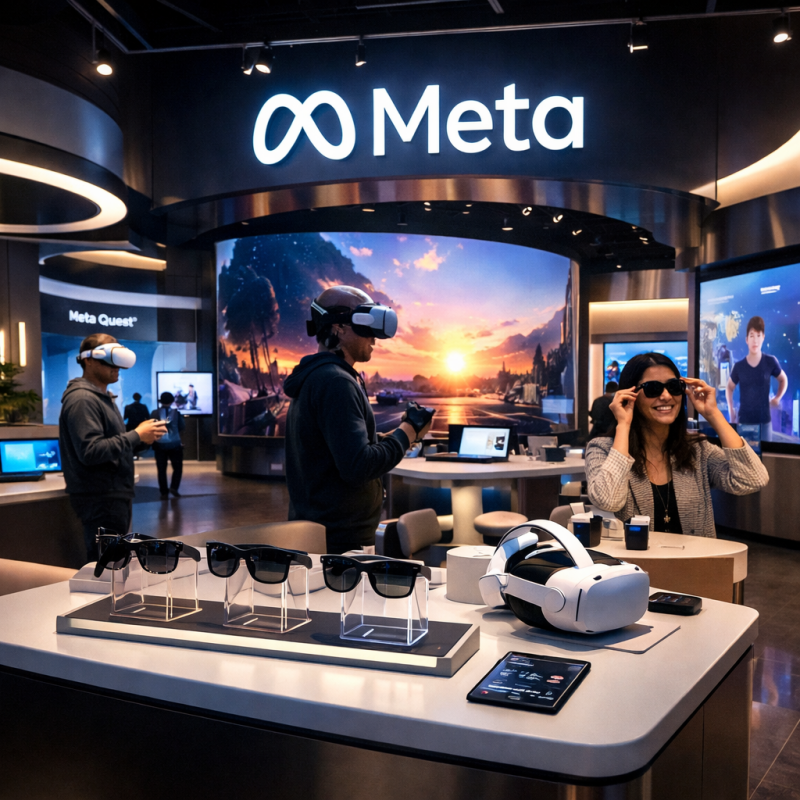
A glimpse into the future of experiential retail environments, where immersive product discovery and brand storytelling redefine how consumers interact with emerging technology.
From Pop-Up Experiment to Long-Term Retail Commitment
In an era where many digital-first companies continue to refine their ecommerce ecosystems, Meta has chosen to make a bold long-term investment in physical retail. The company recently secured a long-term lease to convert its Fifth Avenue pop-up store into a permanent flagship destination. While the move may appear at first glance to be a traditional retail expansion, it actually reflects a deeper strategic shift in how technology brands are approaching customer engagement, product education, and brand perception.
The original pop-up concept functioned less as a transactional store and more as an immersive showroom. Visitors were encouraged to test Meta’s hardware ecosystem — from virtual reality headsets to smart glasses — within curated experiential zones designed to demonstrate real-world use cases. This approach allowed Meta to transform complex or unfamiliar technology into something tangible and emotionally engaging. Early performance indicators from the pop-up suggested that physical interaction played a meaningful role in reducing customer hesitation around emerging wearable and spatial computing products.
Evaluating the Pop-Up’s Performance Through a Retail Lens
From a performance standpoint, the pop-up likely succeeded in achieving its primary objective: education-driven demand creation rather than immediate sales maximization. Products such as AI-powered smart glasses and mixed-reality headsets often require hands-on demonstration to fully communicate their utility. Traditional ecommerce environments struggle to replicate the sensory and social validation aspects of in-store discovery.
By allowing customers to interact directly with the technology, Meta effectively shortened the learning curve associated with next-generation devices. The store also provided valuable insight into shopper behavior, dwell time patterns, and product curiosity triggers — data that can inform future merchandising strategies, store layouts, and experiential storytelling initiatives.
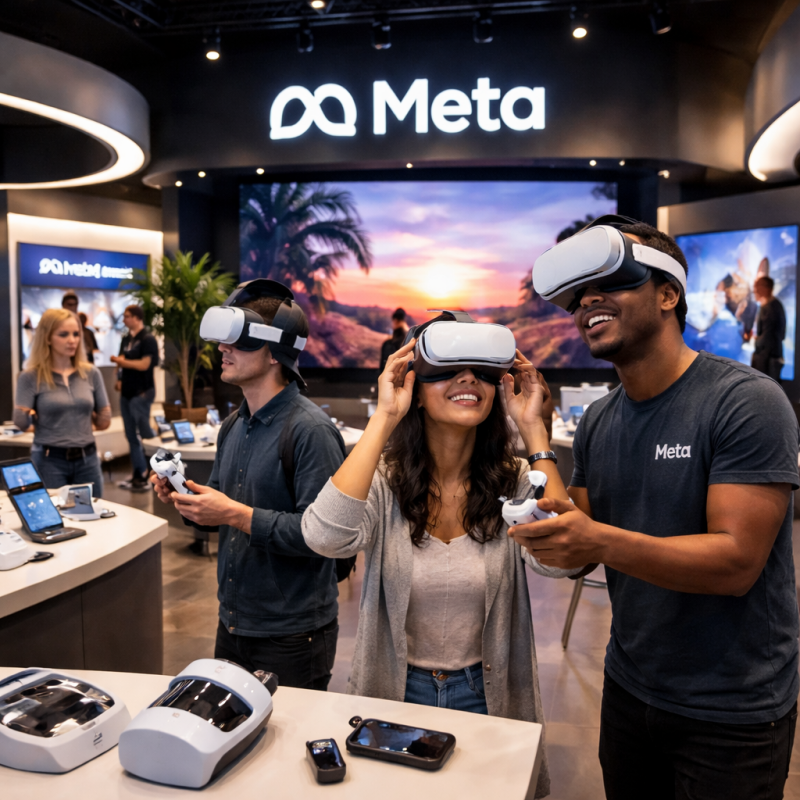
Hands-on engagement within technology showrooms helps reduce consumer uncertainty, accelerate product education, and build confidence in next-generation wearable and spatial computing devices.
Why Fifth Avenue Matters: Positioning Through Physical Presence
By committing to a permanent flagship presence in one of the most iconic retail corridors in the world, Meta is signaling confidence not only in its product pipeline but also in the strategic value of physical retail as a long-term brand infrastructure asset. Fifth Avenue is not simply a high-traffic shopping destination; it is a global stage where brands compete for cultural relevance and prestige.
Occupying space in this environment allows Meta to reposition itself from a purely digital platform company into a lifestyle-adjacent technology brand with visible consumer touchpoints. The flagship format provides an opportunity to elevate brand perception, align with premium retail neighbors, and create a destination that reinforces innovation leadership.
The Strategic Upside: Building Demand for Future Hardware Ecosystems
From a retail strategy perspective, the flagship could serve as a powerful halo driver for Meta’s broader hardware ambitions. As the company continues to invest in augmented reality, artificial intelligence wearables, and spatial computing interfaces, the store can function as a launchpad for category creation.
Consumer adoption of new technology often follows a familiarity curve. Physical retail environments accelerate this curve by allowing potential customers to move from curiosity to confidence within a single visit. Over the next decade, this could significantly influence the adoption trajectory of Meta’s smart glasses and future device ecosystems, especially as wearable technology becomes more integrated into everyday routines.
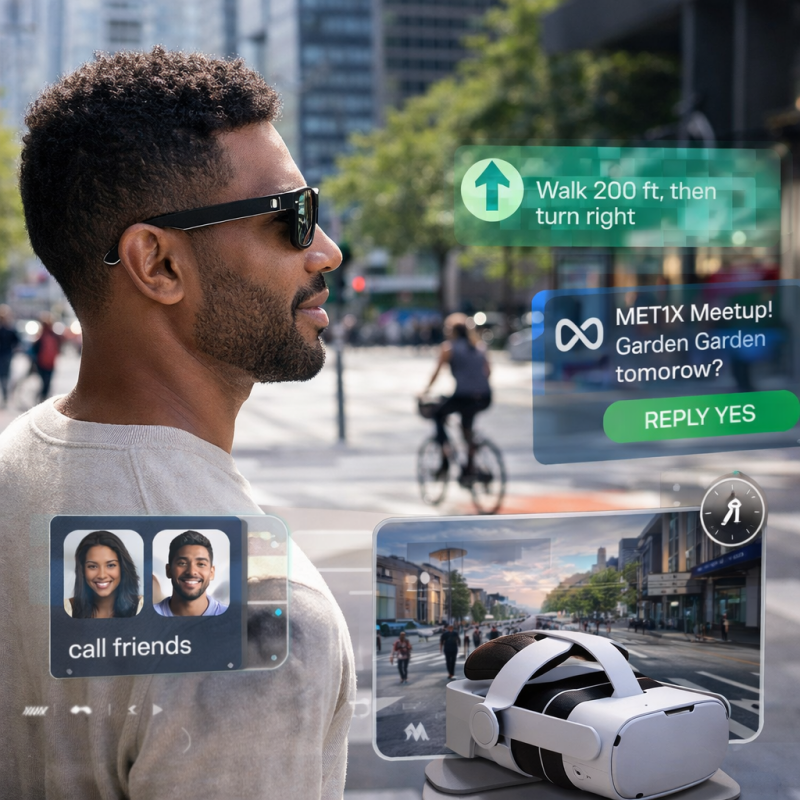
As wearable technology evolves, real-world integration into everyday urban lifestyles will play a critical role in driving long-term adoption and shaping future retail demand patterns.
The Risks of Permanent Experiential Retail
However, the decision to transition from temporary activation to permanent retail presence introduces both opportunity and risk. Experiential stores carry significantly higher operational costs and require continuous innovation to maintain consumer interest. Unlike apparel or beauty retail, where assortment refresh cycles can naturally drive repeat visits, technology showrooms must actively evolve their narrative to avoid becoming static product museums.
Meta’s long-term success will depend on its ability to transform the flagship into a dynamic platform for product storytelling, developer showcases, community events, and ecosystem demonstrations. Without ongoing experiential renewal, the store risks losing relevance in an industry defined by rapid innovation cycles.
Retail as Brand Infrastructure, Not Just Distribution
There is also a broader signaling effect at play. By maintaining a high-visibility flagship presence, Meta communicates stability and long-term commitment to the consumer hardware space — an area where market skepticism has historically been high. Retail real estate investments of this magnitude imply a roadmap of sustained innovation, which may help reassure both customers and investors that Meta intends to compete seriously with established device manufacturers.
At the same time, the company must ensure that physical engagement meaningfully complements digital commerce rather than duplicating it. The flagship’s true value may ultimately lie in shaping perception, accelerating product education, and strengthening ecosystem loyalty rather than generating direct transactional volume.
What This Move Signals for the Future of Technology Retail
Meta’s decision reflects a broader transformation occurring across the retail landscape. Physical stores are increasingly being redefined as brand experience centers, education hubs, and community touchpoints rather than purely sales-driven environments.
If executed effectively, the Fifth Avenue flagship could become a strategic asset that bridges the gap between futuristic innovation and everyday usability. Over a ten-year horizon, it has the potential to influence how consumers discover, understand, and integrate Meta’s evolving hardware ecosystem into their daily lives — particularly as smart glasses and spatial computing devices move closer to mainstream adoption.
Add comment
Comments