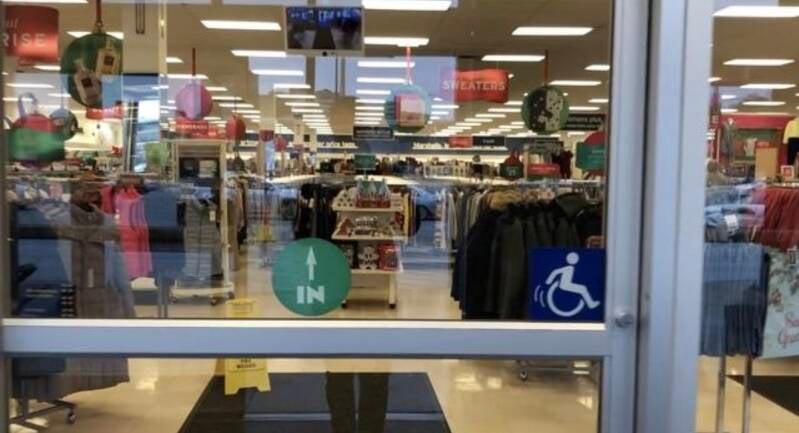
Every retailer focuses on getting customers through the door, but far fewer understand why those same customers walk out without buying anything. The issue is rarely pricing or product quality. In most cases, the real problem is what happens in the first few moments inside the store, when customers are subconsciously deciding whether it is worth their time to continue shopping.
The first breakdown usually happens at the entrance. When customers step inside, they are looking for immediate clarity. They want to understand what the store offers, where they should go, and what is worth paying attention to. If the space feels overwhelming, cluttered, or directionless, the brain defaults to disengagement. Instead of exploring, customers slow down, hesitate, and often turn around without even realizing why.
Another major issue is the lack of a clear product hierarchy. Not every product should carry the same level of importance, yet many stores present everything as if it deserves equal attention. When everything is competing, nothing stands out. Customers are forced to do the work of figuring out what matters, and most simply won’t. This creates friction in the shopping experience, and friction is one of the fastest ways to lose a sale.
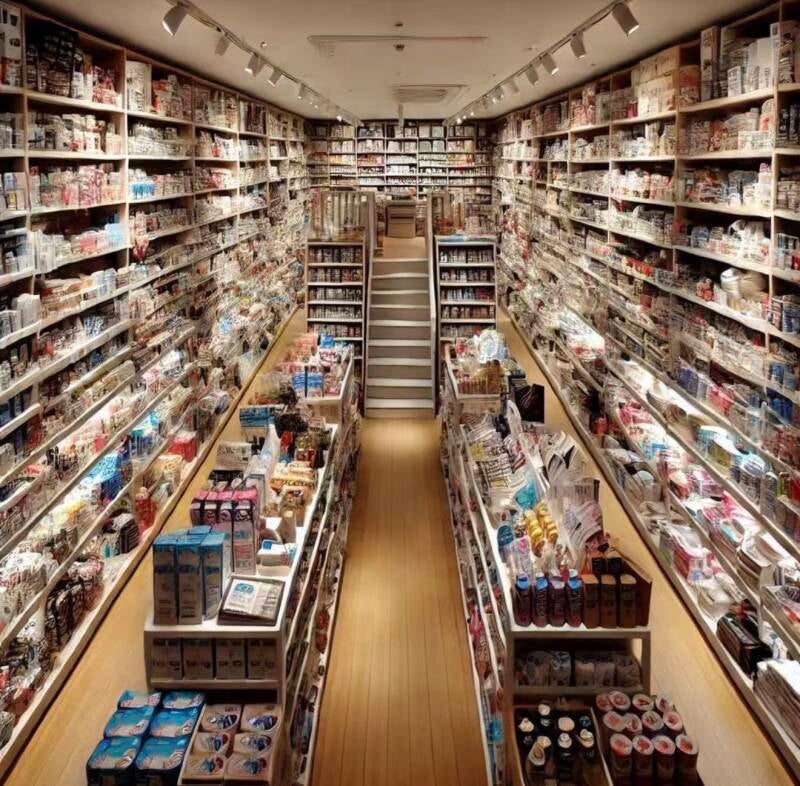
Poor traffic flow is another silent conversion killer. If customers cannot naturally move through the store, they miss key areas, skip entire categories, and never fully engage with the space. A well-designed store guides movement without making it obvious. A poorly designed one forces customers to think about where to go next, which disrupts the entire experience and shortens the time they are willing to stay.
Then there is the absence of what can be called “stop zones.” These are the areas that naturally slow customers down and draw their attention. Without them, customers move too quickly, scanning instead of engaging. They might pass by products that would have interested them, simply because nothing made them pause long enough to notice. Stores that lack these moments of interruption often feel forgettable, even if the product selection is strong.
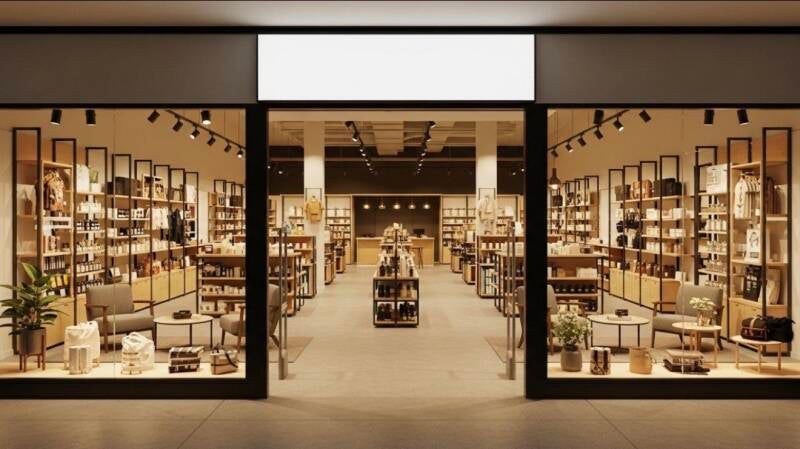
All of these issues tie back to one core problem: the store is not designed with the customer’s decision-making process in mind. Shoppers are not analyzing every product in detail. They are scanning, filtering, and making quick judgments based on what they see first and what stands out most. If the environment does not support that process, even interested customers will leave without converting.
Fixing this does not require more products or constant promotions. It requires clarity, structure, and intentional design. When a store clearly communicates where to look, what matters, and how to move through the space, customers feel more comfortable, more engaged, and more likely to buy. The difference between a store that converts and one that does not often comes down to these subtle but powerful details.
If you are seeing traffic come in but not translate into sales, the problem is likely not outside your store. It is happening inside it. Understanding how customers experience your layout is the first step toward turning missed opportunities into consistent conversions.
Add comment
Comments