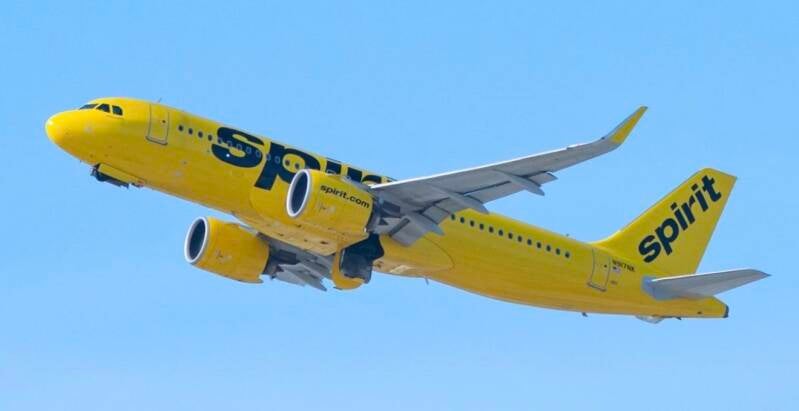
The bankruptcy of Spirit Airlines has sparked a wave of reactions, with many quick to assume it was simply the result of poor service or customer dissatisfaction. In reality, the situation is more layered and reflects broader pressures across the airline industry. Rising operational costs, including fuel, labor, and maintenance, have impacted margins significantly, particularly for ultra-low-cost carriers. Spirit’s model, which relies heavily on offering the lowest base fares and charging for add-ons, leaves less room to absorb these increases compared to legacy airlines. This creates a narrow path where even small shifts in cost structure or demand can have outsized effects.
What makes this situation relevant is not just the airline industry itself, but how clearly it mirrors challenges seen in retail. Many retailers operate under a similar “low price first” strategy, where the focus is on driving traffic through aggressive pricing rather than building a strong in-store experience. This approach can work in the short term, especially in competitive markets, but it often comes with limitations. When costs increase or customer expectations shift, businesses that rely primarily on price positioning may struggle to adapt quickly. The margin for error becomes smaller, and operational inefficiencies become more visible.
Another parallel lies in customer perception and expectations. Spirit Airlines has long been transparent about its model, offering a no-frills experience at a lower cost, yet customer frustration has still been a recurring theme. This highlights an important point: even when a business clearly communicates its value proposition, the actual experience still needs to meet a certain baseline. In retail, this shows up in stores that prioritize product volume or pricing but overlook layout, flow, and overall shopping experience. Customers may initially be drawn in by price, but their long-term behavior is influenced by how easy and enjoyable the experience is once they are inside.
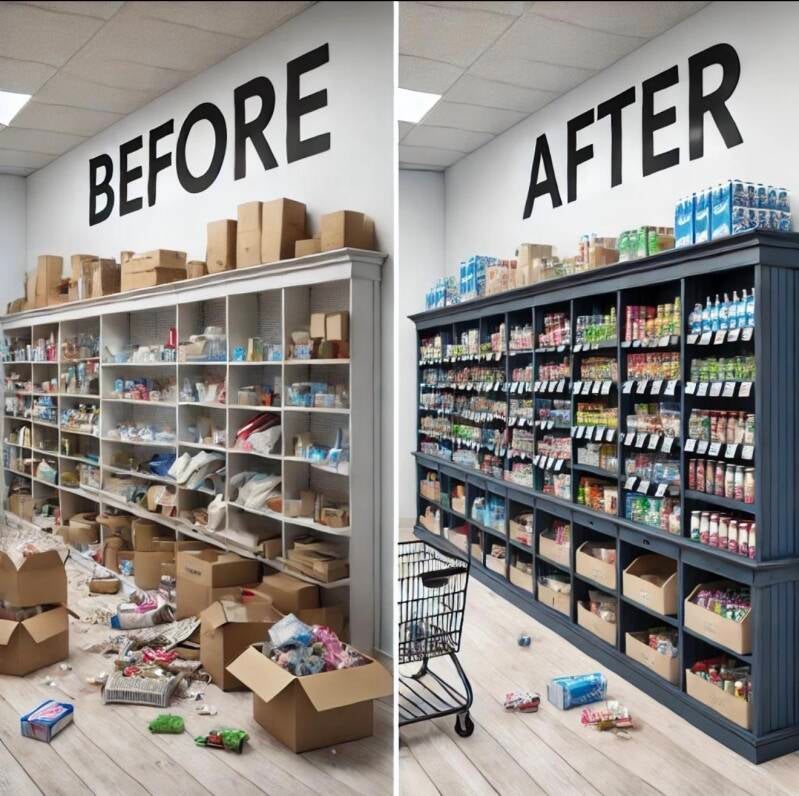
Operational discipline is another shared factor between the two. Airlines and retailers both depend heavily on execution at scale, where consistency across locations or routes directly impacts performance. For Spirit, maintaining efficiency while managing costs is critical, but any disruption—whether operational or financial—can ripple quickly across the business. Retailers face a similar reality when planograms are not executed properly, inventory is mismanaged, or store layouts fail to guide customer behavior effectively. These issues are not always visible immediately, but over time they compound and affect overall performance.
There is also a lesson in how businesses respond to external pressure. Economic shifts, cost increases, and changes in consumer behavior are not unique to airlines. Retailers are constantly navigating these same variables, whether through supply chain disruptions, inflation, or evolving shopping habits. Companies that build flexibility into their strategy, rather than relying on a single lever like price, tend to be more resilient. This includes investing in store experience, optimizing product placement, and ensuring that operations support the intended customer journey.
The takeaway here is not that Spirit Airlines failed because of one specific issue, but that its situation reflects a broader pattern seen across industries. Businesses that operate with thin margins and rely heavily on a single competitive advantage often face greater risk when conditions change. In retail, this is a reminder that pricing alone is not a sustainable long-term strategy. Execution, experience, and adaptability all play a role in maintaining performance, especially in environments where customer expectations continue to evolve.
Add comment
Comments