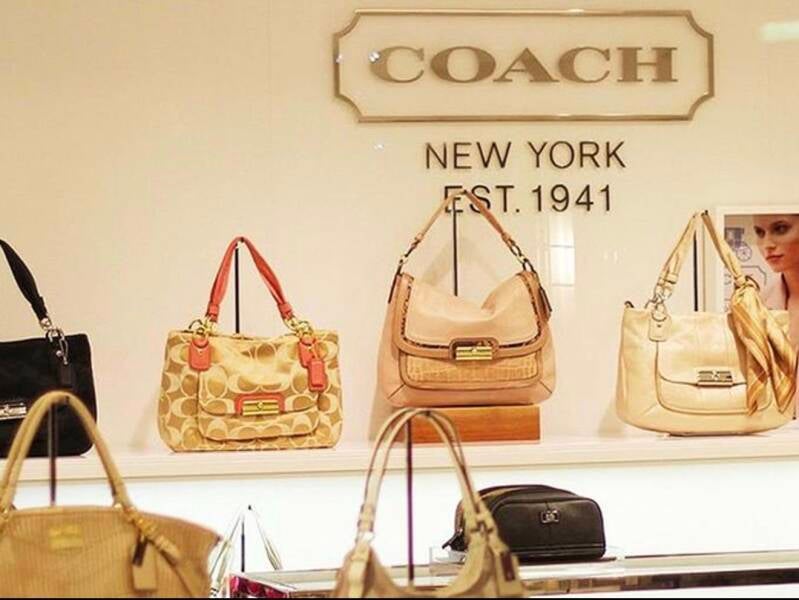
There was a time when Coach was viewed as a legacy mall brand that had lost some of its relevance with younger consumers. Now, the exact opposite is happening. Gen Z shoppers are actively embracing Coach, helping parent company Tapestry outperform expectations while competitors across luxury and accessible luxury continue dealing with softer demand. Meanwhile, Kate Spade New York continues sliding, showing how quickly consumer preference can shift when one brand connects emotionally with shoppers and another loses momentum.
According to recent earnings coverage from Retail Dive, Coach sales jumped more than 31% during the quarter, reaching roughly $1.7 billion, while Kate Spade sales declined about 10%. Tapestry executives raised expectations again as younger shoppers continued gravitating toward Coach’s products, particularly handbags and footwear.
What makes this interesting from a retail strategy perspective is that Coach did not win by becoming cheaper. It won by positioning itself in the middle of aspirational luxury and attainable pricing. Many Gen Z consumers still want products that feel premium, fashionable, and status-driven, but they are also far more selective with spending than previous generations. Coach appears to have found a balance where products feel elevated without crossing into unreachable luxury pricing.
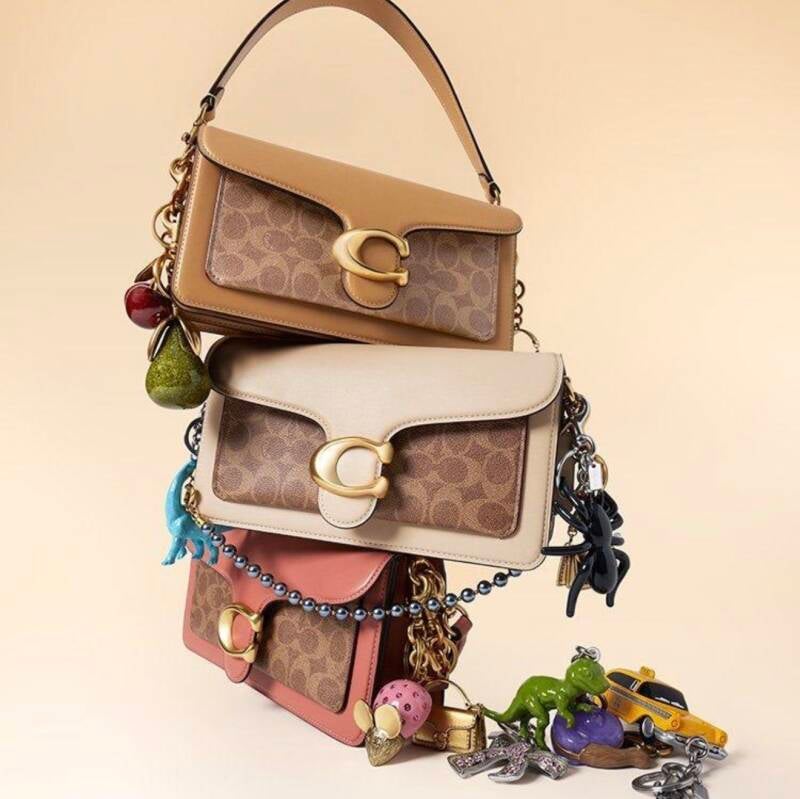
That balance matters more than ever in today’s retail environment. European luxury houses have spent years pushing aggressive price increases, creating a gap between aspirational shoppers and the brands they once admired. Coach stepped into that opening with products like the Tabby bag and Brooklyn bag, both of which became highly visible on TikTok, Pinterest, and fashion-focused social content. Analysts cited accessible pricing and stronger marketing execution as key reasons Coach continues outperforming expectations.
The company’s marketing strategy also deserves attention. Coach increased marketing spending significantly while leaning into younger creators, celebrities, and community-driven campaigns instead of relying purely on traditional luxury advertising. The brand has collaborated with younger cultural figures and focused heavily on digital visibility where Gen Z actually spends time.
This is where retail operators and merchandising teams should pay close attention. Gen Z shoppers are not just buying products anymore. They are buying identity alignment, online relevance, and emotional connection. A product becoming “visible” online often matters as much as the product itself. Retail brands that still operate with purely transactional merchandising strategies are increasingly struggling to compete against brands building emotional ecosystems around their products.
Kate Spade’s decline highlights the other side of the equation. The brand is still recognizable, but recognition alone is no longer enough. Consumers need a reason to re-engage. Retail brands can lose momentum when assortments begin feeling repetitive, disconnected from current culture, or overly reliant on discounting and promotions. Tapestry executives acknowledged continued weakness at Kate Spade even as Coach carried the broader company forward.
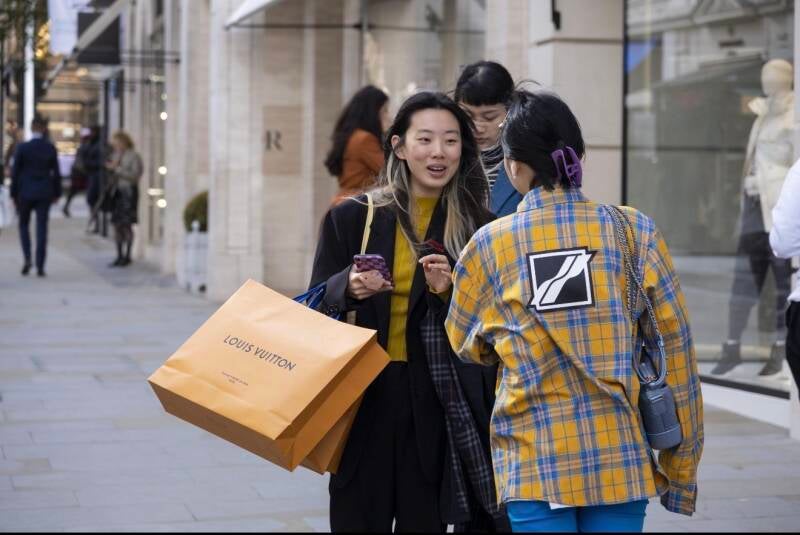
There is also a broader retail lesson here beyond fashion. Many companies still believe younger consumers only care about low prices. Coach’s success suggests otherwise. Gen Z is still willing to spend when brands create a strong perception of value, relevance, and social visibility. Retailers that combine aspirational presentation with accessible entry pricing may be in a much stronger position over the next several years than brands sitting at either extreme.
Another overlooked factor is product visibility and store presentation. Coach has benefited from products that are instantly recognizable both online and in-store. Highly visible silhouettes, cleaner merchandising, and social-media-friendly product displays all contribute to stronger conversion. In modern retail, visual recognition itself becomes part of the product value.
Tapestry’s results also reinforce how much stronger one dominant brand can become inside a portfolio when consumer demand concentrates around a single identity. Analysts noted that Coach now effectively drives the majority of Tapestry’s momentum while Kate Spade remains in recovery mode.
For retailers outside of fashion, the message is still highly relevant. Younger shoppers are rewarding brands that feel culturally current, visually recognizable, and emotionally connected to their audience. Retail strategy today is no longer just about inventory and pricing. It is increasingly about relevance, storytelling, and visibility across both physical and digital retail environments.
If your retail business is struggling with customer engagement, category visibility, or product presentation strategy, improving customer flow and merchandising structure may reveal opportunities that pricing changes alone cannot fix.
Add comment
Comments