Retail is moving beyond shelves and transactions. Today’s consumers want to experience products before they buy them, especially when it comes to emerging technologies like AI-powered wearables and virtual reality. That shift is exactly why Best Buy’s latest partnership with Meta is worth paying attention to.
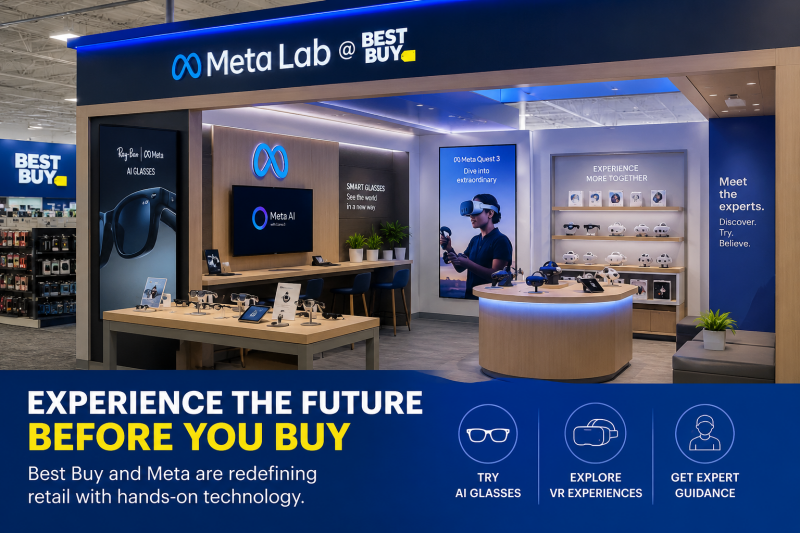
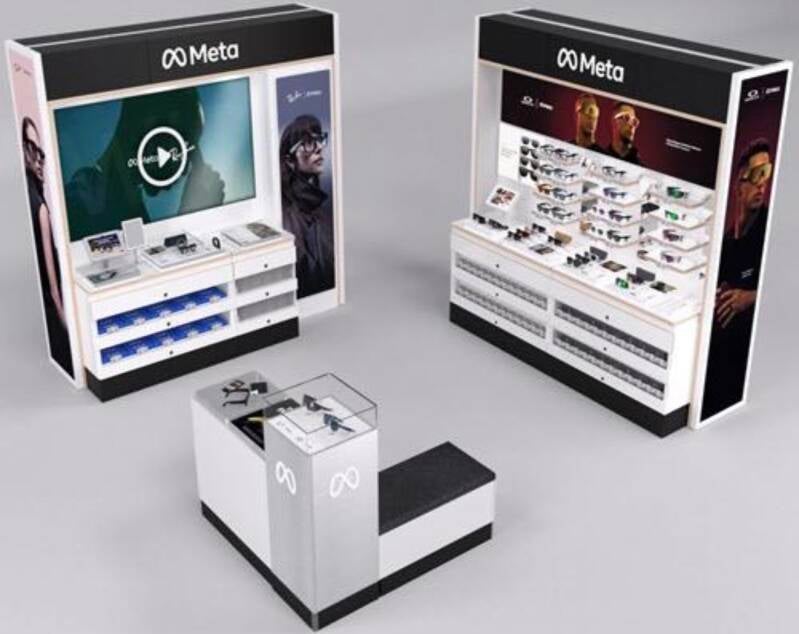
Best Buy recently announced the launch of Meta Lab @ Best Buy, a new shop-in-shop concept that will roll out to more than 50 stores across North America. These roughly 900-square-foot spaces are designed to give shoppers hands-on access to Meta’s growing lineup of AI glasses and VR headsets through interactive demonstrations, smart mirrors, personalized fittings, and dedicated product specialists.
For retailers, the most interesting part isn’t the technology itself. It’s the strategy behind it.
Many consumers are still hesitant to purchase AI glasses or VR devices online because they want to understand how the products fit, feel, and function in real life. Best Buy and Meta are addressing that barrier by creating a physical environment where customers can test products before making a purchase. According to Best Buy, more than half of customers interested in Meta’s AI glasses want to see them in person before buying.
This is a textbook example of experiential retail.
Instead of dedicating valuable floor space to traditional merchandising, Best Buy is transforming portions of its stores into interactive brand experiences. Customers can virtually try on glasses using smart mirrors, test VR headsets, interact with AI features, and receive guidance from trained specialists. The goal is not simply to sell a product—it is to build confidence in a new category.
The move also aligns with Best Buy’s broader store strategy. The company has been investing in smaller store formats while simultaneously optimizing underutilized space in larger locations. The Meta Lab concept allows Best Buy to monetize store space through strategic vendor partnerships while giving customers a reason to visit physical stores instead of shopping exclusively online.
Retailers across industries should take note.
Whether you’re selling electronics, beauty products, furniture, or apparel, the lesson remains the same: products that benefit from demonstration often perform better when customers can interact with them firsthand. As AI-enabled products become more common, expect more retailers to create dedicated experience zones rather than relying solely on traditional displays.
The future of retail isn’t just about having the right product on the shelf. It’s about creating an environment where customers can understand, experience, and trust that product before they commit to buying it.
For retailers looking to increase engagement and drive conversion, experiential merchandising may no longer be optional—it may become the standard.
Add comment
Comments