When geopolitics shows up in your weekly budget
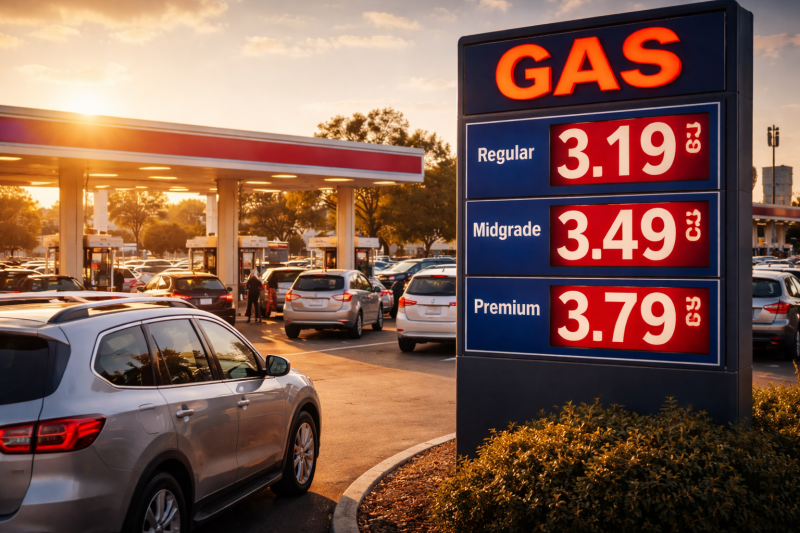
On Monday, March 2, 2026, a line many Americans watch like a hawk quietly got crossed again: average U.S. retail gasoline prices moved back to about $3 a gallon, the first time they’ve been above that level since November.
That “$3” number matters less as a psychological threshold and more because it’s a signal. It’s a real-time indicator that global supply risk is being repriced—and that everyday household costs could tighten quickly. Right now, the immediate driver is the escalation of conflict involving the U.S., Israel, and Iran, which has rattled energy markets and raised fears about disruptions to shipping and oil flows out of the region.
Even if you’re not following every development, the mechanism is simple: when traders and refiners believe supply could be threatened—especially around critical routes like the Strait of Hormuz—oil prices jump, and gasoline often follows.
There’s also a second, quieter factor pushing prices upward at the same time: the seasonal shift toward summer-blend gasoline and rising spring demand expectations. In other words, we’re getting a geopolitical shock layered on top of a “normal” seasonal climb.
What we know so far about why gas is increasing
By AAA’s national data for March 2, the U.S. average is roughly $2.99, up about 6 cents week over week, and higher than a month ago—AAA explicitly points to both seasonal trends and geopolitical stress as key pressures.

Reuters reporting frames the move over $3 as a visible consumer test tied to the worsening Middle East conflict and the market’s expectation that oil and refined products could become more expensive if risk intensifies or shipping is disrupted.
AP coverage similarly describes oil prices rising sharply as markets react to conflict-related risks, including concerns tied to chokepoints and supply reliability.
So the “why” is a stacked story: higher perceived risk to global energy supply, plus the normal seasonal transition that tends to lift pump prices even in calmer years.

What this could lead to next: a business and retail forecast
If higher gas prices persist—or spike further—retail doesn’t just “feel” it. Retail recalibrates around it.
In the near term, the most direct effect is on consumer discretion. When fuel gets more expensive, a bigger slice of weekly cash flow goes to transportation, leaving less for impulse categories like apparel, home décor, specialty beauty, and eating out. That doesn’t always show up as people buying nothing; it shows up as people trading down, delaying purchases, and becoming more promotion sensitive. eMarketer’s retail-focused analysis makes the same core point: higher fuel and delivery costs can add volatility to an already fragile retail outlook, redirecting cash away from discretionary spend.
The second effect is foot traffic behavior. Higher gas prices change how consumers plan errands. Fewer “extra trips,” more consolidated shopping runs, and a higher premium on convenience. That tends to favor retailers that win on proximity, one-stop baskets, and trip efficiency—think grocery, mass, club, and off-price—while pressuring retailers that depend on frequent casual browsing visits.
The third effect is retail cost structure. Fuel isn’t just a consumer cost; it’s a logistics input. If energy prices rise, transportation, last-mile delivery, and even some packaging and production inputs can follow. That can squeeze margins, especially for retailers already in a tight spot between price-sensitive consumers and still-elevated operating costs. We’ve already seen reporting that wholesale inflation pressures and cost pass-through remain relevant in the broader economy, which matters because energy shocks can amplify those pressures.
Where this gets interesting is what happens if the conflict risk stays elevated for weeks instead of days. In that scenario, retailers often face a tough choice: protect margins with price increases and risk demand softness or hold pricing and accept margin compression. The retailers that navigate it best usually do three things well: they manage inventory tightly, they use promotions surgically (not reflexively), and they message value in a way that feels credible rather than desperate.
Three plausible scenarios from here
If the conflict de-escalates quickly and shipping lanes remain stable, gas prices may cool after the initial spike, and the story becomes a short-lived hit to sentiment rather than a structural change. In that case, retailers still won’t ignore it, but the impact is mostly about a few weeks of cautious spending and heavier emphasis on deals.
If tensions persist without major supply interruption, the more likely outcome is a “new band” of prices—higher than consumers expected for spring—creating a slow grind on discretionary categories. This is where you’d expect more trade-down behavior, more store-brand substitution in grocery, and stronger performance from value-led retailers.
If supply or shipping disruptions intensify, you can get a sharper move in oil and refined products, and then retail has to respond more aggressively. That’s when freight surcharges become more common, promotional calendars get rewritten, and consumer confidence can wobble. This is also the scenario where policy responses and public messaging become part of the business environment; Reuters reported U.S. officials signaling actions to mitigate oil price spikes for Americans, which can affect expectations even before any measures bite.
What smart retailers do right now
Whether you’re a big chain or a smaller operator, the practical takeaway is that energy-driven cost shocks reward operational clarity. Winners tend to get ahead of the moment by tightening replenishment, watching fast-moving essentials versus slowing discretionary lines, and leaning into value architecture—good/better/best pricing, bundles, and clear reasons to buy now. They also revisit local marketing: if consumers are making fewer trips, every trip has to count, and messaging has to match the customer’s new mental math.
Closing thought
Gas prices aren’t just a number on a sign. They’re a behavioral lever. When they rise on the back of geopolitical risk, you’re not just watching energy markets—you’re watching the mood of the consumer, the cost base of supply chains, and the next chapter of retail competition unfold in real time.
If you want, I can turn this into your exact website format next: a version with your preferred section headers, a meta description for SEO, and a short LinkedIn post that tees up the blog without getting overly political while still acknowledging what’s happening.
Add comment
Comments