A Major Retail Reset That Didn’t Surprise Anyone
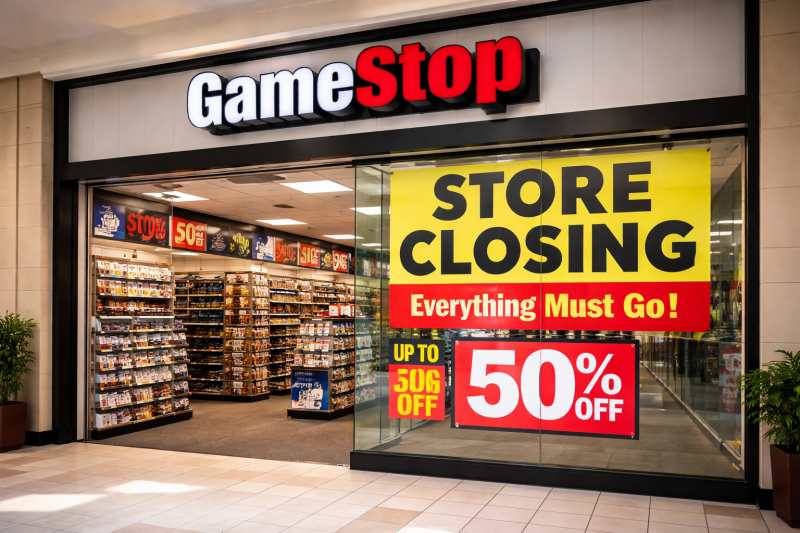
GameStop’s store closures reflect a deeper shift in how customers access products, not just a single retailer’s decline.
In 2025, GameStop closed more than 700 stores across the United States. That’s not a small adjustment—it’s one of the largest retail contractions we’ve seen from a specialty retailer in years.
At one point, GameStop dominated the gaming retail space with thousands of locations built around one core behavior: customers walking in to buy and trade physical games. That model worked for a long time, but it quietly started losing relevance.
What makes this story important isn’t just the number of closures. It’s what those closures represent about how retail is changing.
What Actually Happened

Digital downloads and subscriptions have reduced the need for physical game purchases.
GameStop isn’t disappearing, but it is becoming more selective about where and how it operates. Fewer stores means each location has to perform better and give customers a clearer reason to visit.
Going forward, stores will likely focus more on collectibles, niche gaming products, and community-driven experiences. The goal will shift from being everywhere to being relevant in specific locations.
This type of reset is not unique to GameStop. It’s happening across retail wherever customer behavior has changed faster than store formats.
What Retailers Should Learn from This

Retail performance today is driven more by clarity and experience than product quantity.
GameStop didn’t fail because people stopped liking video games. It declined because the store no longer matched how customers preferred to access the product.
Retail today is no longer protected by demand alone. Even if people want what you sell, they won’t visit your store unless there’s a clear reason to do so.
Many stores make the mistake of adding more products and more inventory to drive sales. In reality, that often creates clutter and confusion instead of improving performance.
The stores that succeed today guide the customer, create visual clarity, and make the shopping experience easy to understand within seconds. If that doesn’t happen, customers leave just as quickly as they walked in.
Final Thought
GameStop closing 700 stores isn’t shocking. It’s the result of a slow shift that has been happening for years.
Physical retail isn’t disappearing, but outdated retail models are. Stores that don’t evolve with customer behavior will continue to shrink, no matter how strong they once were.
The future of retail belongs to stores that give customers a clear reason to show up, stay, and engage.
Add comment
Comments