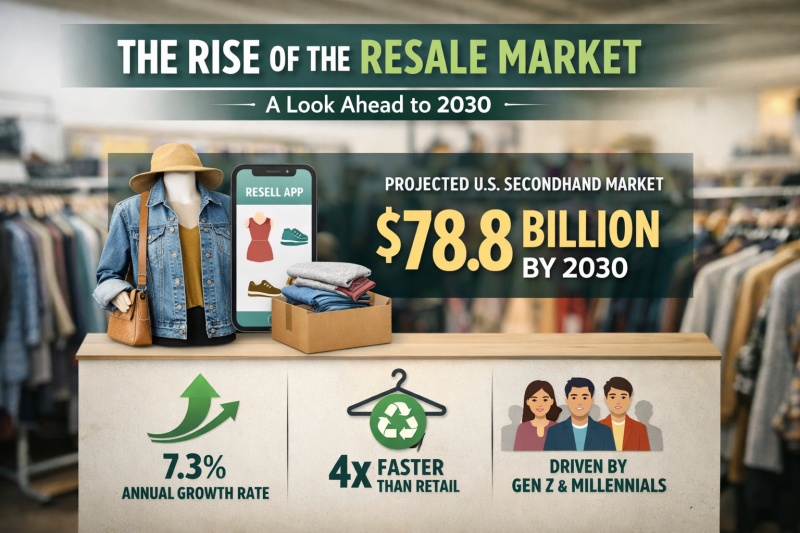
The U.S. resale market is entering a new phase of growth that is reshaping how consumers shop, how brands manage inventory, and how retailers think about value. What was once considered a niche category tied to thrift stores and bargain hunters has now evolved into a sophisticated and rapidly expanding retail sector. According to new research cited by the report from ThredUp and analytics firm GlobalData, the U.S. secondhand apparel market alone is expected to reach $78.8 billion by 2030, growing at an average annual rate of about 7.3%.
This projected growth signals more than just a temporary consumer trend. It reflects a structural shift in how goods move through the retail ecosystem. Consumers are increasingly comfortable purchasing pre-owned products, and the infrastructure supporting resale—from digital marketplaces to brand-operated recommerce programs—has matured significantly. What was once considered a secondary retail channel is quickly becoming a core component of the modern retail economy.
Why the Resale Market Is Growing So Fast
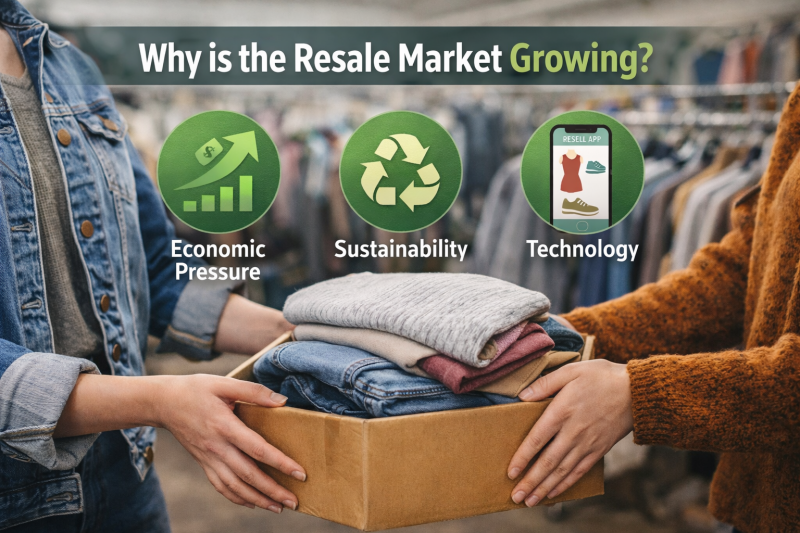
Several powerful forces are driving the rapid expansion of resale across the United States. One of the most important factors is economic pressure on consumers. Rising prices across apparel and other retail categories have pushed shoppers to seek value alternatives, making secondhand products an appealing option for consumers who want brand-name items at lower prices.
At the same time, consumer attitudes toward used goods have changed dramatically over the past decade. The stigma around secondhand shopping has largely disappeared, replaced by a mix of sustainability awareness and fashion experimentation. Many shoppers now view resale not only as a way to save money but also as a method of reducing waste and participating in a circular economy where products remain in use longer.
Technology has also played a critical role in accelerating the resale market. Online platforms have made it easier for consumers to buy and sell pre-owned products, while improved search tools, authentication technologies, and logistics systems have increased trust in resale transactions. These improvements have transformed what used to be a fragmented market into a more scalable and efficient retail channel.
The Role of Younger Consumers in Resale Growth
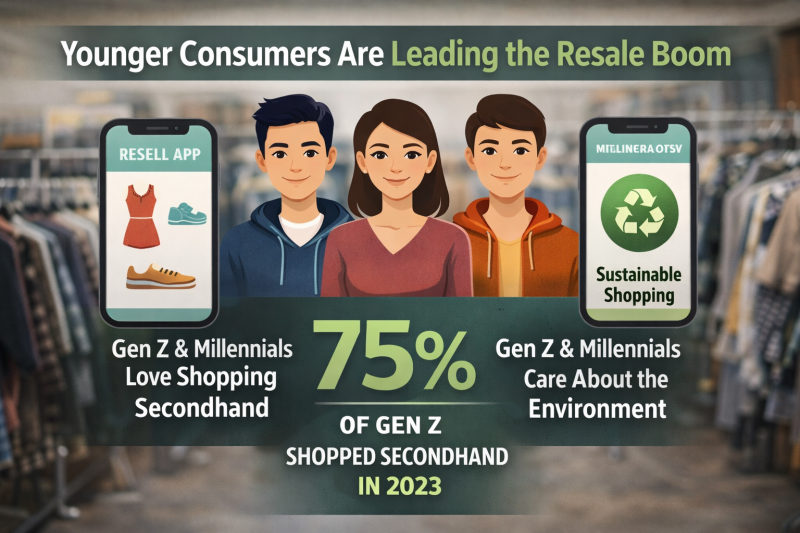
Another major driver of resale expansion is generational change in shopping behavior. Younger consumers—especially Gen Z and millennials—are significantly more open to buying secondhand goods compared with previous generations. Many view resale as both financially smart and environmentally responsible.
These consumers are also highly comfortable with digital marketplaces and peer-to-peer commerce platforms. Social media platforms, resale apps, and curated secondhand marketplaces have created a discovery-driven shopping experience that aligns well with younger shoppers’ habits. As these generations continue to gain purchasing power, their influence will likely push resale even further into the mainstream retail environment.
How Resale Is Reshaping the Retail Industry
The growth of the resale market is not only changing consumer behavior; it is also forcing traditional retailers and brands to rethink their business models. Many apparel brands have begun launching their own resale programs or partnering with recommerce platforms to capture value from products that previously exited the retail ecosystem after the first purchase.
This shift toward recommerce allows brands to extend the lifecycle of their products while also maintaining some control over brand perception and product authentication. Instead of losing secondary-market value to independent resellers, companies are increasingly integrating resale into their official retail strategies. This approach allows them to attract new customers who may enter through the resale channel and eventually convert to primary purchases.
What the $78 Billion Forecast Means for Retail
If the U.S. resale apparel market reaches nearly $79 billion by 2030, it will represent a significant share of the overall retail landscape. The market has already been growing far faster than traditional apparel retail, expanding nearly four times faster than the broader clothing market in 2025.
This growth suggests that resale is transitioning from a supplementary market into a core retail category. Retailers who fail to acknowledge the influence of resale may risk losing relevance as consumers increasingly view products through a lifecycle lens rather than a single purchase event. Meanwhile, companies that successfully integrate resale into their operations may gain both new revenue streams and deeper customer loyalty.
The Future of Secondhand Retail
Looking ahead, the resale market is likely to continue evolving alongside broader retail trends. Advances in AI-driven product discovery, authentication technologies, and logistics networks will make buying and selling secondhand goods even easier. At the same time, environmental concerns and economic pressures will likely keep pushing consumers toward more value-oriented shopping options.
The most important shift may be conceptual rather than technological. Resale is no longer simply about used goods—it represents a broader transformation in how consumers think about ownership, value, and sustainability. As the industry approaches the $78 billion milestone, resale is poised to become a permanent and influential pillar of the retail ecosystem rather than a passing trend.
Add comment
Comments