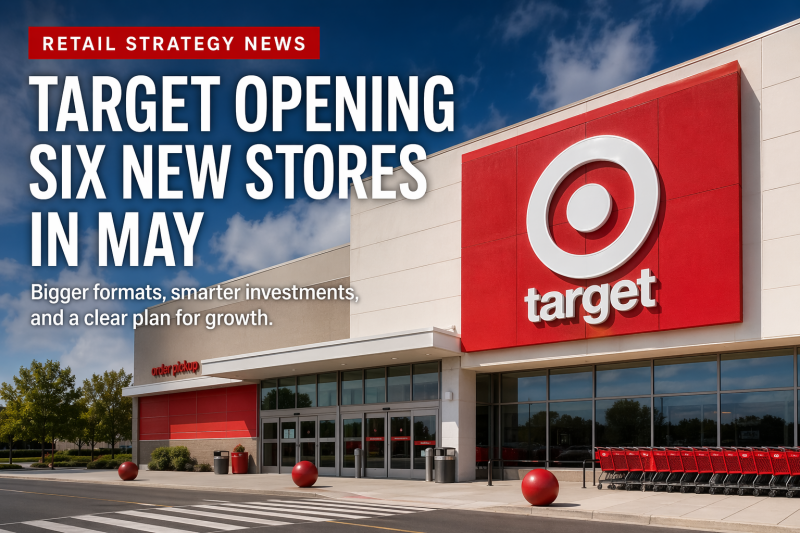
A quiet expansion with a loud message
Target announcing six new store openings in May might not sound groundbreaking at first. But when you zoom out, this move tells a much bigger story about where physical retail is heading—and how major players are adapting to survive.
The retailer is opening locations across Arizona, Missouri, New Jersey, and North Carolina, with most of these stores exceeding its typical footprint.
That detail alone is the real headline.
This isn’t just expansion. This is repositioning.
Bigger stores in a digital-first world?
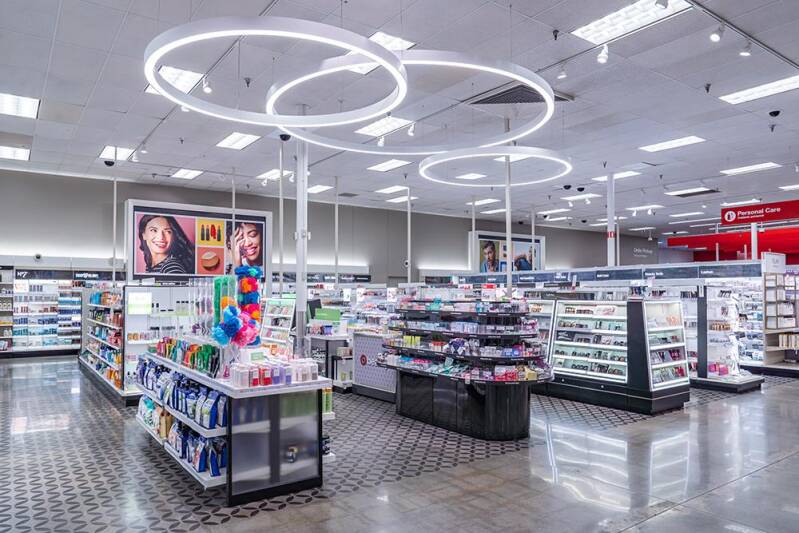
At a time when many retailers are downsizing or closing stores, Target is leaning into larger formats, with several of these new locations approaching 150,000 square feet.
That decision goes directly against the narrative that physical retail needs to shrink to survive.
But here’s the reality most people miss.
Retail isn’t dying. Bad retail is.
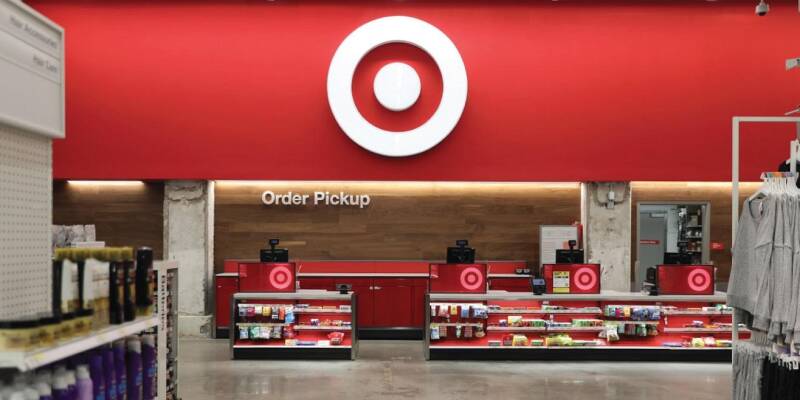
Target understands that stores today are no longer just places to shop. They are fulfillment centers, brand showrooms, and customer experience hubs all in one.
Larger footprints allow for better backroom logistics, stronger inventory positioning, and improved omnichannel execution. Instead of cramming more SKUs into tighter spaces, Target is building stores that actually function operationally.
That’s a strategy most struggling retailers failed to adopt.
The real goal isn’t more stores—it’s better stores
This May expansion is just a small piece of a much larger plan. Target is aiming to open more than 30 new stores in 2026 while also remodeling around 130 existing locations.
That combination matters more than the openings themselves.
Expansion without reinvestment leads to inconsistency. But expansion paired with upgrades creates standardization across the fleet.
Target is investing billions into store improvements, staffing, and operations, signaling that the company sees physical retail as a long-term growth driver—not a liability.
This is what a true turnaround strategy looks like.
Not cutting stores, but fixing them.
Merchandising is quietly at the center of this strategy.
One of the most overlooked parts of Target’s transformation is its renewed focus on merchandise and in-store experience.
The company is doubling down on “newness” and exclusivity, with refreshed displays in categories like beauty and baby.
That matters more than people think.
Retail success doesn’t come from having more product. It comes from presenting the right product in the right way.
Target is also intentionally pulling back from slower-moving big-ticket categories like TVs and bikes, where online shopping dominates.
This is a key shift.
They’re not trying to be everything anymore. They’re trying to be relevant.
And that’s exactly what most stores get wrong.
What this means for the future of retail stores
Target’s strategy highlights a clear direction for the industry.
Stores are evolving into hybrid spaces that balance experience, efficiency, and fulfillment. The winning retailers won’t be the ones with the most locations, but the ones with the most functional ones.
Bigger doesn’t mean more inventory. It means better execution.
More space for fulfillment. More space for curated merchandising. More space for customer flow that actually makes sense.
This is the kind of thinking that turns stores into assets again.
The takeaway: most stores don’t have an inventory problem
They have a sales floor problem.
Target’s expansion proves that success in retail isn’t about shrinking or expanding blindly. It’s about designing stores that actually work.
The retailers that understand traffic flow, visibility, and product placement will win.
The ones that don’t will keep blaming inventory, pricing, or “the economy.”
Target isn’t just opening stores.
They’re rebuilding what a store is supposed to be.
Add comment
Comments