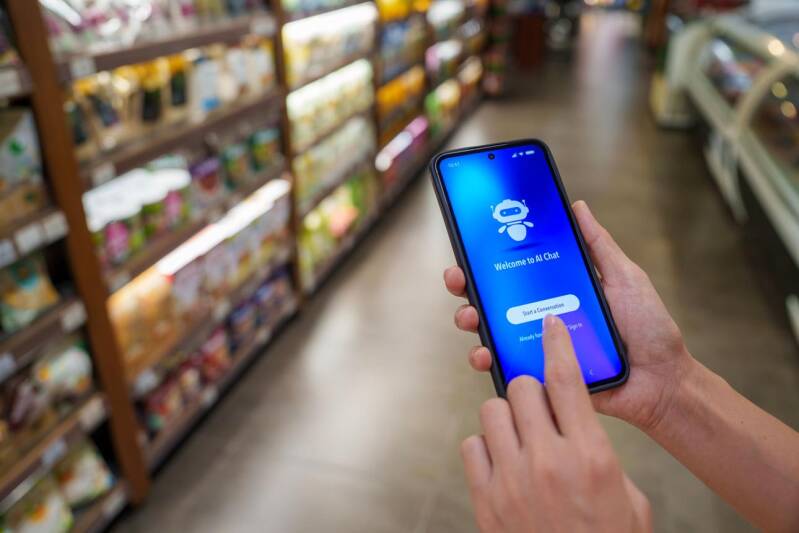
Retail discovery is evolving quickly. For years, shoppers relied on search engines, social media, or simply browsing store aisles to find products. Now, a growing number of Millennials and Gen Z consumers are turning to artificial intelligence tools to help them decide what to buy.
Recent reporting from Retail Dive highlights how younger shoppers are becoming increasingly comfortable using AI-powered shopping tools. From product recommendations to price comparisons and personalized suggestions, AI is beginning to play a role in the early stages of the buying journey.
For retailers, this shift could quietly reshape how products are discovered.
AI Is Becoming a New Starting Point for Shopping
Many younger consumers are no longer beginning their shopping journey on traditional search engines or retailer websites. Instead, they are asking AI tools to recommend products, summarize reviews, or narrow down options before they ever visit a store or online marketplace.
This changes the discovery funnel.
If an AI tool recommends three specific products, the shopper may enter the store already focused on those items. The traditional browsing process — where retailers influence purchases through shelf placement and displays — is partially happening before the customer even arrives.
Retailers should pay attention to this shift because it means the battle for product discovery may start earlier than ever.

Why This Matters for Retailers
AI recommendations rely heavily on product information. Clean product data, strong customer reviews, and clear descriptions increase the likelihood that an AI system will surface a product during recommendations.
Brands that invest in strong digital product presentation may have an advantage when consumers rely on AI tools to help make decisions.
However, AI does not eliminate the importance of physical retail execution. Instead, it changes how stores reinforce purchase decisions.
When a customer walks into a store already considering a specific product recommended by AI, the store environment should make that product easy to find and visually compelling.
The Store Still Plays a Critical Role
Even if AI helps shoppers narrow down choices, the store remains the place where many final decisions are made.
Retail stores still influence purchases through:
• visibility
• merchandising
• product placement
• impulse displays
• store layout
If a shopper walks into a store looking for a recommended product but cannot find it easily, the opportunity may be lost.
This is where strong merchandising strategy becomes essential. Stores that make high-demand products visible, accessible, and well-presented are more likely to convert AI-influenced shoppers into actual buyers.

Retail Strategy Must Adapt
Retail has always been shaped by changes in how customers discover products. Social media, influencer marketing, and online reviews have already altered the discovery process over the past decade.
AI may simply be the next evolution.
Retailers who understand how discovery happens — both digitally and in-store — will be better positioned to capture demand. Stores that align merchandising strategy with modern shopping behavior will have the advantage as consumer habits continue to evolve.
The future of retail discovery will likely be a blend of AI recommendations, digital research, and strong in-store execution working together.
About the Author
Christian DiBuono is the founder of DiBuono Retail Consulting, where he helps retailers improve store layouts, merchandising strategies, and product placement to drive stronger sales performance.
Add comment
Comments