When a company like Target Corporation hires a senior executive from Walmart to lead supply chain and logistics, it usually signals more than a leadership change. It’s a sign the retailer believes operational execution — not just marketing or merchandising — is now the battleground for growth.
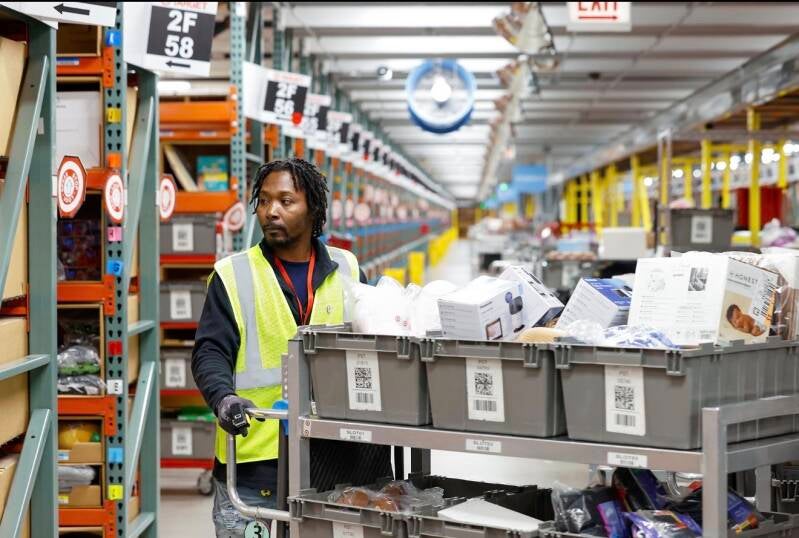
Target recently appointed former Walmart executive Jeff England as EVP and chief global supply chain and logistics officer as part of CEO Michael Fiddelke’s broader turnaround strategy. England previously held supply chain leadership roles at Walmart and QXO, where he focused heavily on inventory availability and operational efficiency.
That move matters because Target’s recent challenges haven’t just been about product assortment or pricing. A major issue has been consistency — making sure stores are actually in stock when customers walk in. Fiddelke himself acknowledged Target has struggled with in-stock reliability over the past several years.
For retailers, inventory problems are rarely isolated to the backroom. They affect the entire customer experience. Empty shelves damage trust, cluttered replenishment hurts store presentation, and delayed fulfillment weakens omnichannel performance. Even the best merchandising strategy falls apart if product flow isn’t controlled correctly.
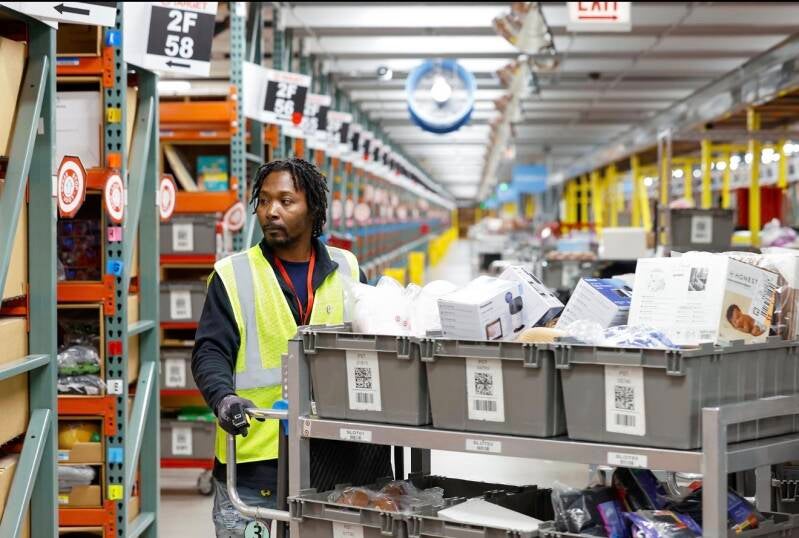
This is also another example of how Walmart’s operational culture continues influencing the wider retail industry. Walmart spent years investing aggressively into logistics infrastructure, automation, fulfillment speed, and inventory systems. Competitors are increasingly trying to replicate that operational discipline as consumer expectations rise around convenience and product availability.
What’s especially interesting is that Target’s turnaround strategy appears heavily tied to improving flow efficiency between distribution centers, stores, and digital fulfillment. The company recently opened new receive centers designed to reduce overcrowding and improve inventory movement upstream before goods even reach stores.
That reflects a larger industry shift happening right now: retail stores are no longer just shopping destinations. They are becoming mini fulfillment hubs, pickup locations, inventory buffers, and last-mile delivery points all at once. Retailers that cannot synchronize inventory across those functions fast enough risk losing both sales and customer loyalty.
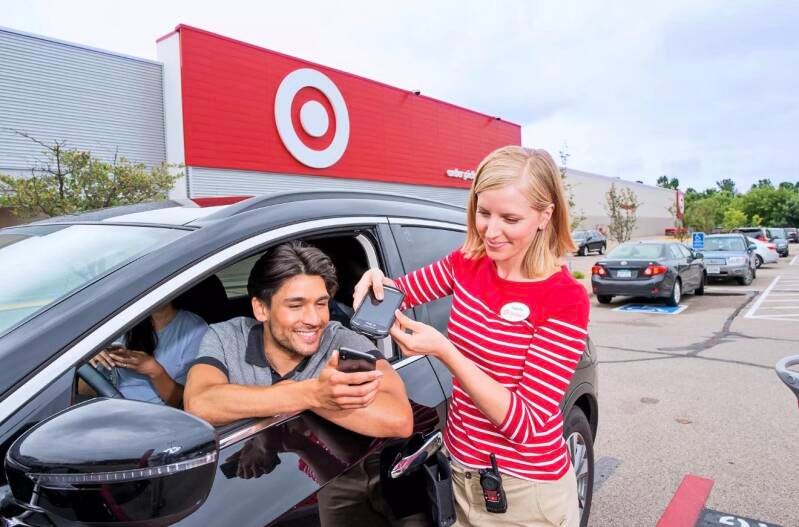
From a retail consulting perspective, this reinforces something many operators underestimate: customer experience starts long before the shopper enters the store. It begins with allocation strategy, replenishment timing, visibility systems, and how efficiently inventory moves through the network.
A visually perfect store means very little if key items are constantly unavailable.
At the same time, retailers also have to balance efficiency with presentation. Over-optimized fulfillment systems can sometimes create crowded aisles, stock carts blocking customer flow, or backrooms that overflow into the sales floor. The retailers that win long term will likely be the ones that combine operational precision with strong in-store experiences instead of sacrificing one for the other.
Target’s leadership shift shows the company understands that operational execution is now directly tied to brand perception — and that supply chain has become one of the most important competitive advantages in modern retail.
Add comment
Comments