The latest earnings commentary from Walmart is more than just another quarterly update. It is one of the clearest signs yet that rising fuel costs, global instability, and consumer pressure are beginning to reshape retail behavior again in 2026.
Walmart executives warned that if fuel prices remain elevated because of the ongoing Iran conflict, the retailer may eventually have to raise prices later this year. At the same time, the company revealed that shoppers are already changing their habits, including buying smaller amounts of gasoline and becoming even more price-conscious during routine shopping trips.
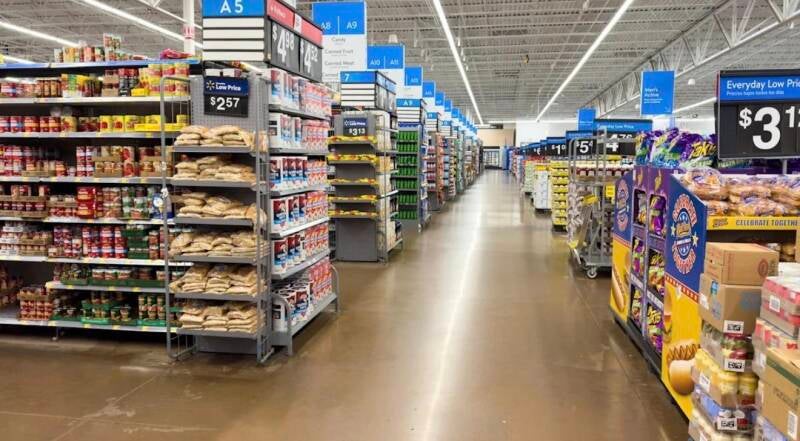
This matters because Walmart is usually one of the last major retailers willing to discuss price increases publicly. The company has historically absorbed costs longer than many competitors in order to protect market share and maintain customer trust. When a retailer with Walmart’s scale starts signaling pressure, the rest of the industry usually feels it shortly afterward.
The Real Problem Isn’t Just Fuel Prices
Higher gas prices impact far more than transportation. Retailers depend on fuel for almost every step of the supply chain. Products move through ports, warehouses, trucks, fulfillment centers, and delivery networks before reaching shelves or customers’ homes. When oil and diesel prices surge, retailers immediately face pressure across logistics, distribution, and inventory management.
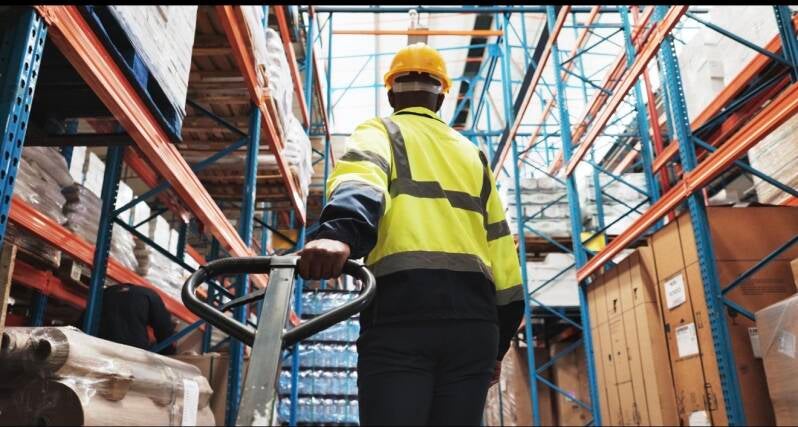
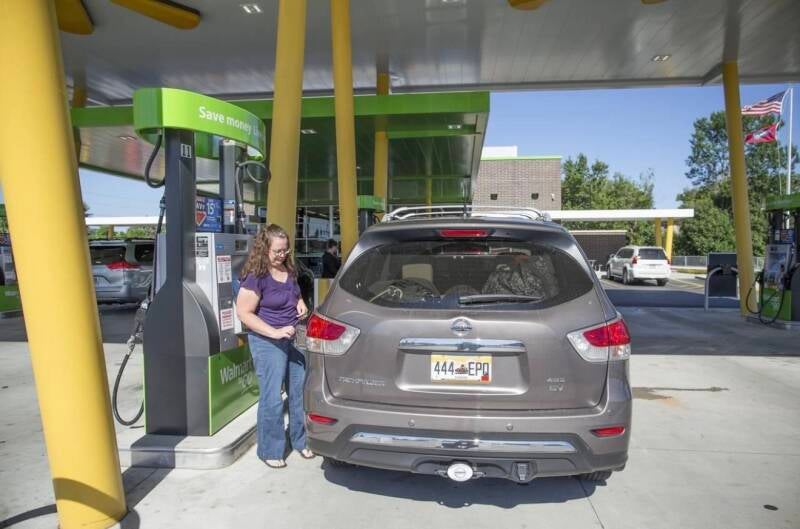
For Walmart specifically, executives stated that elevated fuel costs already reduced operating income growth and created additional fulfillment expenses during the quarter. The company also noted that some customers are now putting less gas into their vehicles during each visit, something Walmart says it has not seen at this level since the inflation pressure tied to the 2022 Ukraine conflict.
That detail may sound minor at first, but it reveals something important about consumer psychology. When customers begin rationing fuel purchases, they also become more selective inside stores. Impulse purchases decline, basket sizes become more intentional, and shoppers spend more time comparing value before making decisions. Even higher-income consumers often begin shifting behavior toward discount and warehouse formats during periods of economic uncertainty.
Why This Could Change Retail Store Strategy
Retailers often focus heavily on pricing during periods like this, but pricing alone is not enough. When consumers feel financial pressure, store layout and merchandising strategy become even more important because shoppers naturally slow down discretionary spending and prioritize essentials.
That means retailers need to rethink how products are positioned throughout the store. Categories that drive traffic and repeat purchases become more valuable than ever because customers are entering stores with a more mission-driven mindset. Promotional displays and impulse zones also need to work harder to capture attention because shoppers become less emotionally driven and more practical with spending.
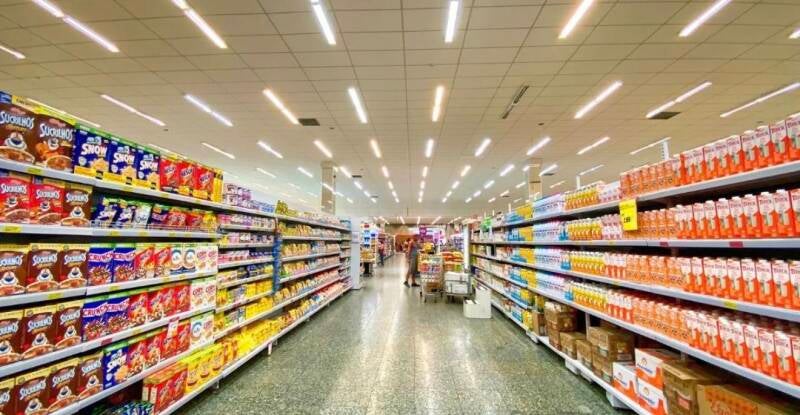
Stores that create friction during economic pressure lose sales faster because stressed shoppers become less patient. A confusing store layout, poor category visibility, or cluttered presentation can directly impact conversion rates during uncertain periods. On the other hand, strategically organized stores can still increase basket size by naturally guiding customers through high-demand and complementary categories.
This is where merchandising execution becomes critical. Retailers that improve visibility, simplify navigation, and reduce customer frustration are often able to maintain stronger performance even while consumer confidence weakens.
Walmart’s Position Shows the Power of Operational Flexibility
Despite warning about cost pressures, Walmart still reported strong revenue growth, strong e-commerce performance, and continued gains in advertising and membership revenue. That highlights something many retailers overlook during volatile economic periods.
The companies most likely to survive these conditions are not simply the cheapest retailers. They are the retailers with the strongest operational flexibility. Walmart has the ability to offset pressure through its grocery business, supply chain scale, fulfillment infrastructure, membership ecosystem, and private label strength.
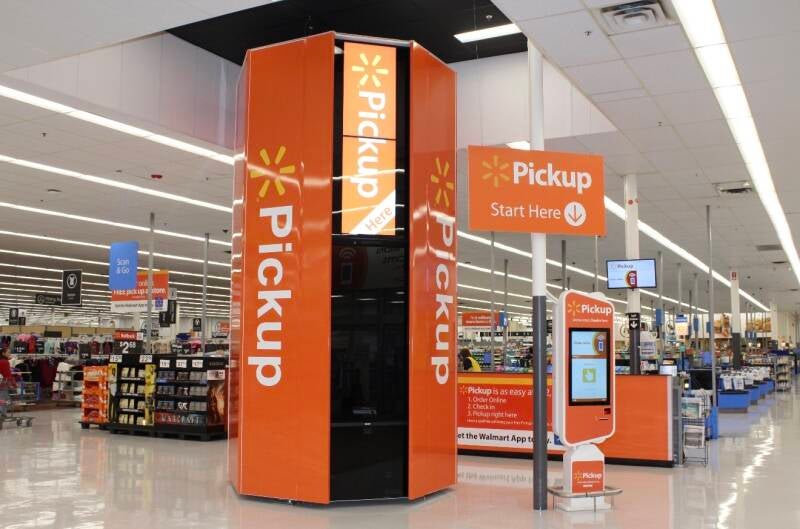
Smaller retailers typically do not have those same advantages, which means they must compete differently. Instead of relying purely on pricing power, many smaller businesses will need to improve customer experience, merchandising visibility, category organization, and overall store flow in order to remain competitive as shoppers become increasingly cautious.
Retailers Should Pay Attention Now — Not Later
One of the biggest mistakes retailers make is waiting until consumer spending slows dramatically before adjusting strategy. By the time traffic patterns visibly decline, customer behavior has usually already changed beneath the surface.
What Walmart is describing right now feels more like an early warning signal than a full economic shift. Customers are still spending, but they are becoming more selective, more value-focused, and more cautious with discretionary purchases. Retailers that improve operational efficiency, merchandising strategy, and customer flow before conditions worsen will likely outperform businesses that rely only on reactive markdowns and promotions later.
In uncertain economic periods, retail execution matters more than ever.
Add comment
Comments