The Real Story Behind Hasbro’s Strong Quarter
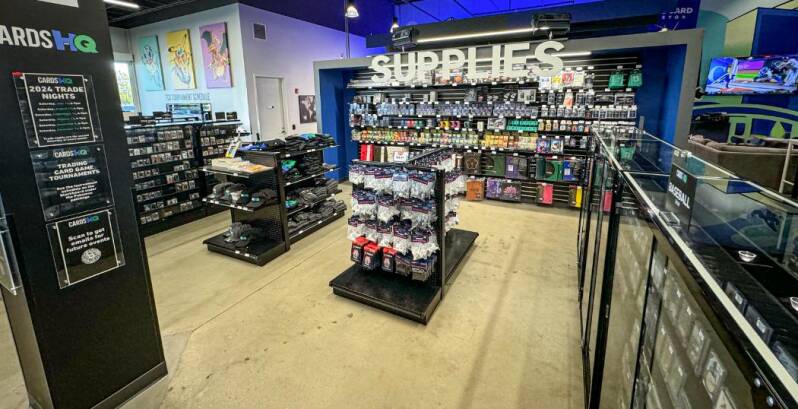
For years, many retailers viewed trading card games as niche hobby categories sitting quietly in specialty stores and select retail aisles. Today, that perception is changing rapidly.
Hasbro recently reported strong quarterly performance driven heavily by its Wizards of the Coast division, which includes “Magic: The Gathering.” The category reportedly helped push the company to $1 billion in quarterly revenue while the division itself saw major year-over-year growth.
What makes this story especially important is that it reflects a much larger shift happening across retail. Consumers are increasingly spending money on products tied to identity, belonging, exclusivity, and community rather than simple utility alone. That shift is reshaping how successful retail categories grow and how retailers think about customer loyalty.
Consumers Are Buying Into Ecosystems, Not Just Products
One of the biggest reasons categories like trading cards continue outperforming expectations is because they function as ecosystems rather than standalone products.
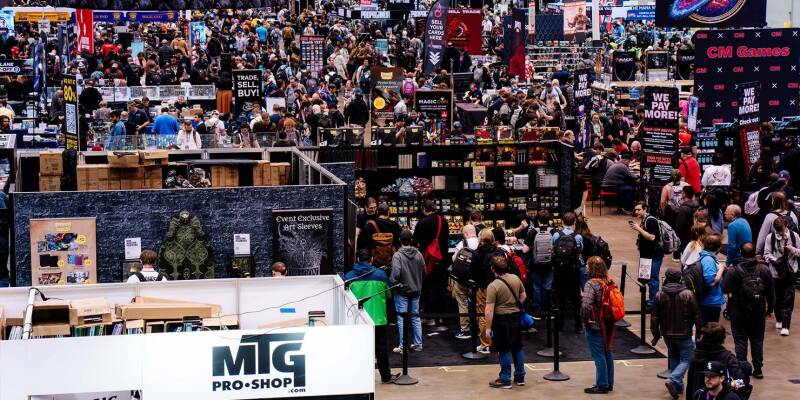
When customers buy into categories like “Magic: The Gathering,” they often become part of a long-term cycle involving collecting, competition, community events, content creation, resale activity, and emotional investment. That creates stronger customer retention than many traditional retail categories can achieve.
A customer purchasing a standard household product may interact with that category for only a few minutes. A customer purchasing into a hobby ecosystem may spend hours engaging with the brand through online communities, live events, trading groups, tournaments, social media discussions, and repeat purchases. The modern consumer increasingly values experiences and identity-based purchasing behavior, where products become extensions of personal interests, social circles, and lifestyle positioning.
Retailers that understand this shift are often building stronger long-term engagement with their audiences because they are creating deeper emotional relationships with the categories they sell.
The Rise of Community-Driven Retail
Community-driven retail is becoming one of the most powerful forces in the industry, and this trend extends far beyond trading cards.
Sneakers, collectibles, beauty products, limited-edition collaborations, vinyl records, sports cards, gaming merchandise, and even certain drinkware brands have all benefited from stronger community engagement over the last several years. These categories tend to generate repeat visits because customers are emotionally invested in staying connected to the category itself.
Instead of products quietly sitting on shelves waiting to be purchased, these categories generate anticipation, conversations, online discussions, event participation, social sharing, and secondary-market activity. That level of engagement creates a completely different retail environment compared to traditional transactional shopping.
Customers are no longer simply purchasing products because they need them. In many cases, they are purchasing products because those products represent identity, status, exclusivity, nostalgia, or participation within a larger community.
The Resale Market Is Now Part of the Retail Experience
The resale market has become one of the most interesting aspects of modern retail behavior because products with scarcity and strong community demand often evolve beyond traditional retail economics.
Consumers begin viewing products differently once collector demand and emotional attachment become part of the equation. Instead of simply consuming products, customers may collect them, trade them, display them, monitor secondary-market pricing, or search aggressively for limited variants and exclusive releases.
We have already seen this happen with sneakers, Pokémon cards, sports cards, luxury collaborations, and limited-edition collectibles. Trading card games are continuing to prove how powerful this model can become when community engagement remains strong.
Some “Magic: The Gathering” products are even actively traded on resale marketplaces such as StockX, which further reinforces how collectible ecosystems now extend far beyond the initial point of sale.
What Retailers Should Learn From This
The success of categories like “Magic: The Gathering” highlights an important lesson for retailers.
Future retail growth may not come from simply expanding product count or filling shelves with more inventory. It may come from building stronger emotional connections around categories that encourage community, engagement, repeat interaction, and identity-driven purchasing behavior.
The brands winning today are increasingly creating ecosystems around customer passion rather than relying solely on transactional shopping behavior. Retailers that understand how community, scarcity, exclusivity, and emotional investment influence purchasing decisions may be better positioned to drive long-term loyalty in an increasingly competitive market.
Add comment
Comments